
How Does the 20-20-20 Rule Prevent Eyestrain?
If you are constantly staring at screens throughout the day The 20-20-20 rule could aid you.
Screen time is now an everyday part of life. You likely spend a significant amount of time staring at screens like your work computer, at home, your phone or television, as well as other devices that are digital. The constant use of screens could cause eyestrain.
A popular way to alleviate this ache is to follow the 20-20-20 rule, a simple-to-follow strategy that encourages regular breaks from screens, or intense concentration.
Continue reading to learn more about this eye exercise, the best way to perform it and whether studies suggest it’s beneficial.
What is the rule of 20-20-20?
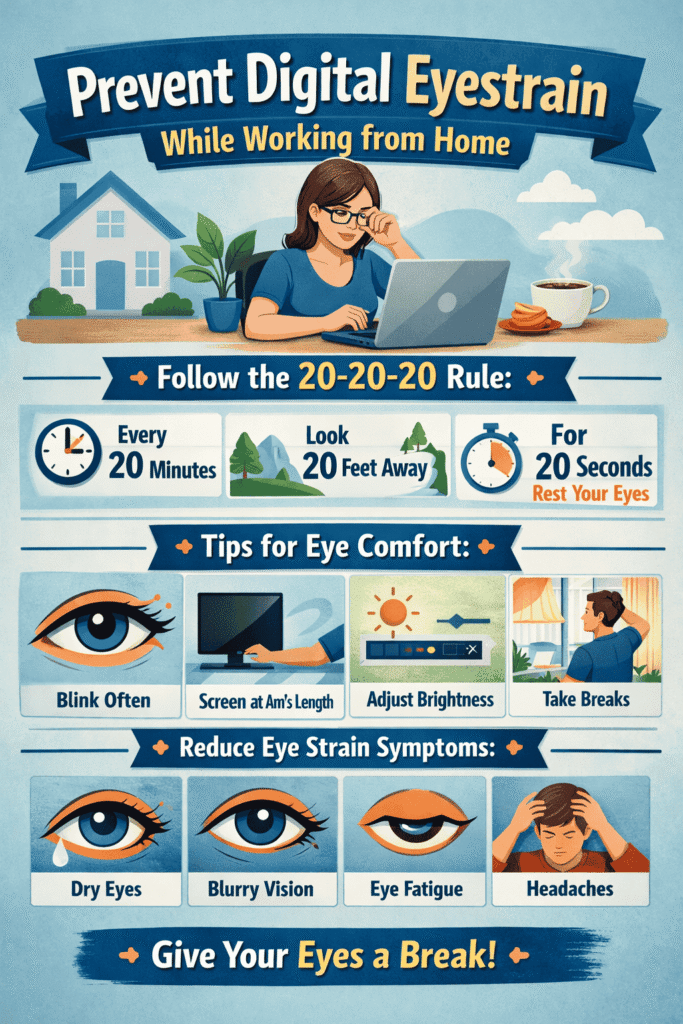
The 20-20-20 rule states that for every 20 minutes you spend in front of a screen it is recommended to stop for 20 seconds to glance at something that is just 20 feet away.
If you don’t are using a tape measure You probably will not be able to determine 20 feet with precision. But being precise isn’t what’s important to the 20-20-20 rule in regards to eye strain.
The idea behind this is to try to pay attention to something away from your. Take a look out of a window and focusing on something that appears distant, such as a tree, or a construction across the street.
If you are working in a tiny space, simply glance out of the window into the space.
How do you keep yourself accountable to this each 20 minutes?
It is likely that you are absorbed by studying or working when you are looking at screens. Set a timed reminder to appear on your screen will help you take breaks at intervals of 20 mins.
There are free apps such as Eye Care 20/20 20 that can assist. You just need to click the start button as you begin your screen time it will notify you when to stop for breaks.
What research findings reveal regarding the rule 20-20-20?
The American Academy of Ophthalmology states that looking at electronic devices will not necessarily harm your eyesight. However, it could cause discomfort and strain.
Humans typically blink about 15 times per minute. If you are staring at screens, this frequency is reduced to half or even one third. This could cause dry, irritated as well as tired eyes.
Eye strain caused by screens is known as Computer Vision Syndrome (CVS). An research study in 2020 revealed that teaching patients suffering from CVS regarding the 20-20-20 rule was a significant improvement on dry eye issues as well as tears film strength.
Although the overall CVS symptoms showed little improvements, this intervention showed substantial benefits to eyes health and comfort over a 20-day time span.
While a lot of doctors believe that the 20-20-20 rule as the most effective protection, researchers explain that any interruption from frequent computer use or screens can be beneficial.
The authors also state that children do not typically experience eye strain as often as adults. Therefore, parents should be able to watch their children’s screen time carefully.
What exactly are signs of eye strain?
Tired, sore burning, itching, or burning eyes can be a sign of strain in the eyes.
Other symptoms are:
- Dry eyes
- Eyes that are watery
- blurred vision
- double vision
- headaches
- soreness in the shoulders, neck or the back
- The sensitivity of the skin to light
- trouble focusing
- difficulties in keeping eyes open
These symptoms could be due to eye strain, it’s still an ideal idea to notify any changes in your eye health or vision to your doctor.
What other methods are there to reduce strain on the eyes?
Do you want to prevent eye strain? If you are seated to stare at a computer screen, be sure to adhere to these eye-friendly tips.
- The screen’s distance is You should be at least 25in (about one arm’s distance) distance from your laptop, and place the screen in a position where you’re facing slightly downwards.
- Reducing glare You can use a matte filter on your screen to reduce the glare on your screen.
- Reminders to set: Make use of a clock or an app to remind you to make regular breaks on your computer similar to that 20/20-20 rule.
- Artificial tears are recommended: You can buy drops to lubricate your eyes from your local pharmacy and think about using an humidifier to help combat dryness.
- Blink often: Frequent blinking helps replenish your eyes’ natural moisture.
- Modify brightness Reduce the brightness of your display to make it appear brighter than surrounding light or alter the lighting in your room to decrease the contrast.
- Cleanse screens: Wipe away fingerprints and dust, which could cause eyestrain and cause eyestrain.
- Pause from contact lenses: If you wear contact lenses, change to glasses every so often to alleviate the dryness or irritation.
- Make sure you are maintaining your lens hygiene. Make sure to avoid sleeping with contacts and cleanse your hands prior to inserting or taking them off.
Read more: Preventing eye problems >>
Takeaway
The 20-20-20 rule can be a straightforward and effective method to lessen eye strain that is caused by a lot of screen time. By taking a 20 second interruption every two hours to gaze at something from 20 feet away, you’ll be able to take your eyes off of the screen and get a relaxation.
Studies suggest that this habit could aid in relieving symptoms such as dry eyes and discomfort with vision particularly when it is combined with other healthy habits for screen time.
Although digital eyestrain may cause discomfort, the effect is typically short-term and likely to not cause permanent damage to the eyes. Through regular breaks and mindful screen usage, the majority of people are able to find relief and better eye comfort with time.